
Anyone Can Read Now
|
The extent and seriousness of English functional illiteracy exceeds your worst NIGHTMARE,
|
Quote for Today,All who have accomplished great things have had a great aim, have fixed their gaze on a goal which was high, one which sometimes seemed impossible. Orison Swett MardenMedia Page Books About NuEnglishandClassical Fiction
|
If you don't want to spend the six minutes required to read this page, turn your speaker on, then click on "Media Page" atop the left column for a video of this very serious problem and its proven solution.
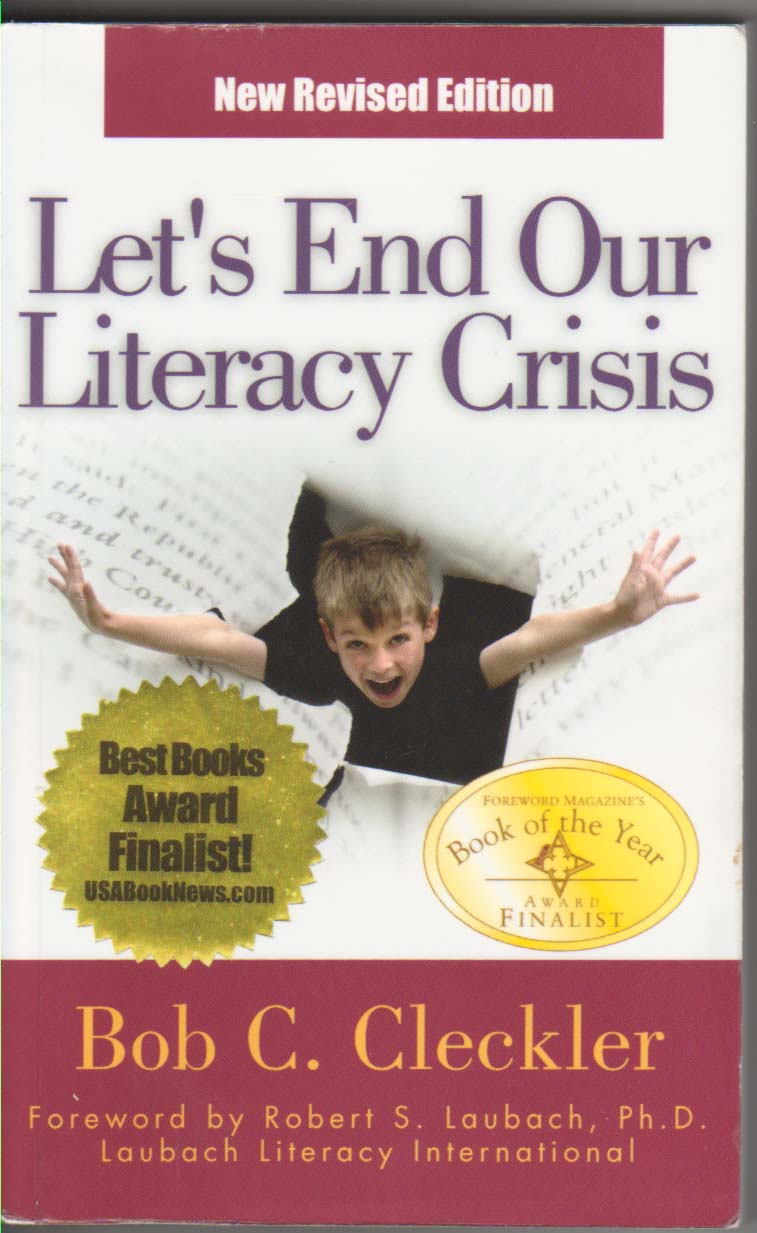
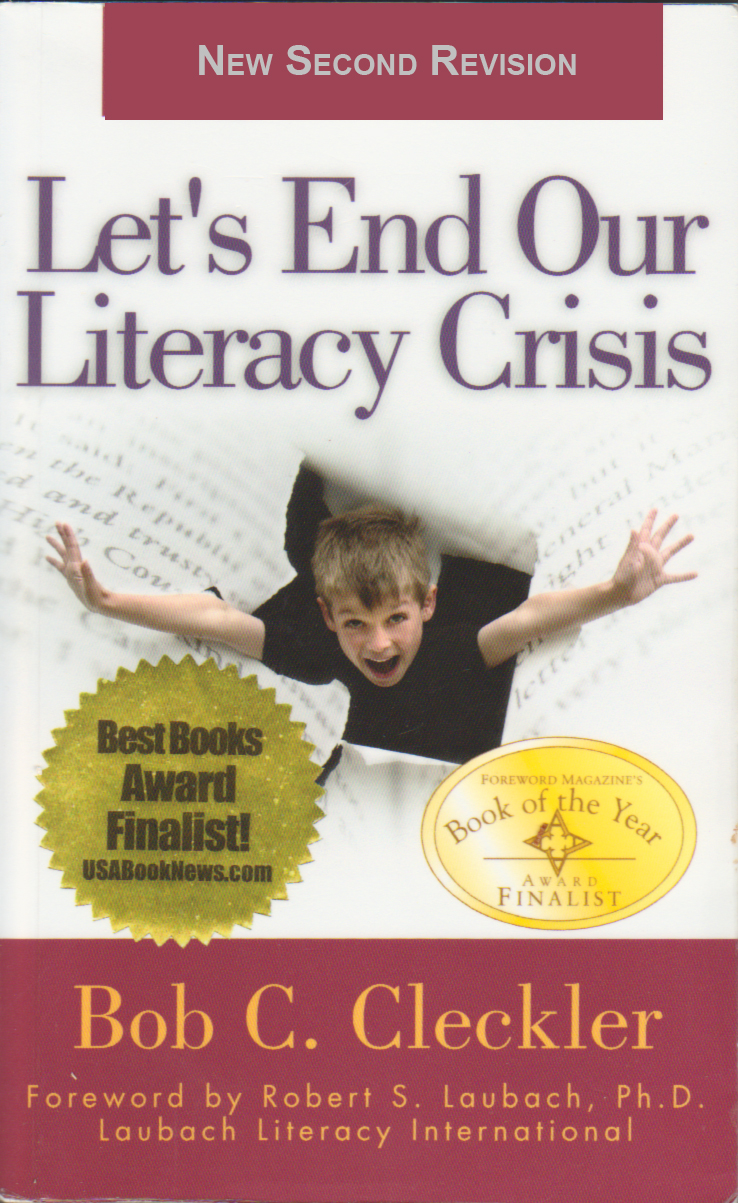
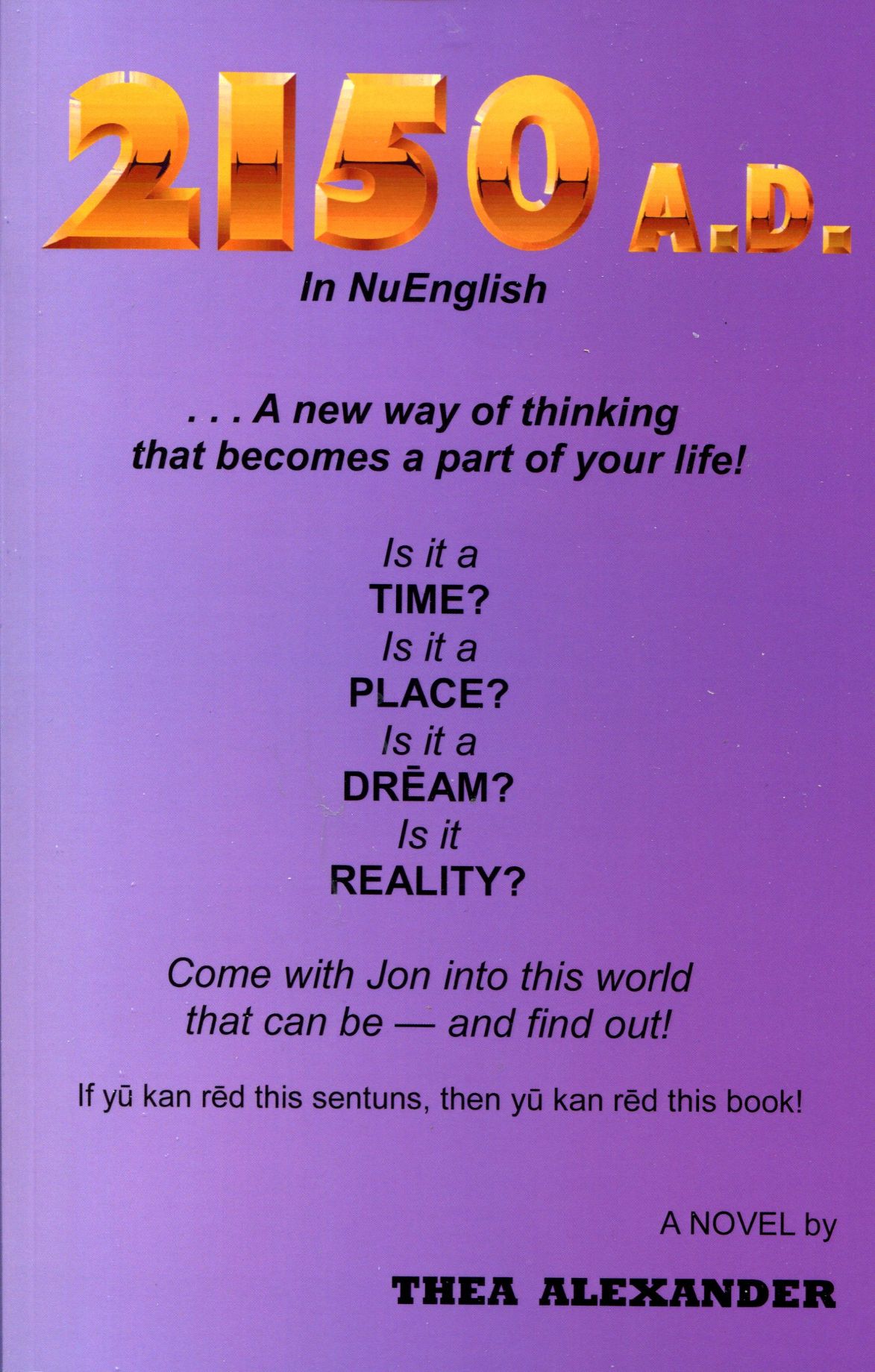
A Serious Problem, Easily SolvedIf the man above is a functional illiterate, he indeed has a long road ahead: The good news is that most beginning readers of normal intelligence can easily learn to read English fluently in two or three weeks — when it is spelled phonemically with the revolutionary spelling system called NuEnglish! And present fluent readers can learn the NuEnglish spelling system in less than ten minutes! Before being willing to change to NuEnglish, however, most people must first be convinced (1) that the problem is very serious, (2) that absolutely nothing done in the last 150 years has statistically significantly improved the literacy rate in English (which is easily provable), (3) that NuEnglish will indeed solve the problem, and (4) all reasonable objections to spelling reform have been thoroughly debunked. That is the purpose of this website. Below, in condensed form, are the important facts about the problem and its solution. Click on "Read More" to see the proof of each of these facts. Functional Illiteracy: The Problem1. Definition of Functional Illiteracy: The most accurate definition of functional illiteracy is the inability to read and write well enough to hold an above-poverty-level-wage job. Read More 2. Extent of the Problem: A shocking 48.7% of U.S. adults are functionally illiterate. Some of your friends or associates are probably functionally illiterate without your knowledge. An estimated 600 million of the more than 1.3 billion English-speaking people around the world are functionally illiterate in English. At least 31.2% of the functional illiterates in the U.S. are in poverty and are more than twice as likely to be in poverty as a result of their illiteracy as for all other reasons combined. Read More 3. Why We Do Not See the Extent of the Problem: Among other reasons, we do not see the amount of illiteracy and poverty in item 2 because functional illiterates are very good at hiding their illiteracy, because most functional illiterates have more than one employed adult in the family, and because most low-income families receive assistance from government agencies, family, friends, and charities. Read More 4. Seriousness of the Problem: Functional illiterates must constantly endure serious physical, mental, emotional, medical, and financial problems. We would consider these problems a crisis if we had to endure them. Functional illiterates cannot perform many of the simple tasks needed to function well in our complicated and increasingly technological culture -- tasks that we take for granted. Read More 5. English Spelling Confuses Everyone: English spelling is by far the most illogical, inconsistent, and chaotic spelling of any of the languages commonly considered as alphabetic. English spelling is not truly an alphabetic writing system. Read More Functional Illiteracy: The Solution6. The Solution in a Nutshell: Dr. Frank C. Laubach went all around the world teaching adult illiterates in more than 300 alphabetic languages to read fluently. He proved that if we spelled English phonemically most students could learn to read in two or three weeks and all but the most mentally handicapped could easily learn to read fluently in less than three months. Read More 7. The Obvious Solution Never Tried: Although there have been many proposed spelling reforms for English over the last three centuries, there has never been a systematic spelling reform of all English spelling.Read More 8. Characteristics of NuEnglish: The new, breakthrough spelling system called NuEnglish is the only proposed spelling reform that has a perfect one spelling to one phoneme (pronunciation) correspondence and that is scientifically designed to use the most-used spelling in traditional spelling or the spelling that people expect for all but one English pronunciation and shows the primary accent in each word (knowing placement of the accent aids considerably in quickly reading a word). Read More 9. Spelling Reform Is the Only Proven, Easy Solution to English Illiteracy: The use of phonemic spelling systems that are almost as logical and consistent as NuEnglish have been proven to be successful in quickly teaching students to read in more than 300 languages. Spelling reform has been successfully implemented in 33 languages other than English -- in nations bigger and smaller than the U.S. and in both advanced and developing nations — but has never been tried in English! Read More 10. Learn to Read Now!: Anyone except the most seriously mentally handicapped can learn to read NuEnglish in less than three months -- perhaps much less! Most of those who learn to read traditional spelling require at least two years to learn to read English fluently. Read More 11. All reasonable Objections to Spelling Reform Have Been Debunked: When you first learned that this website is proposing spelling reform, you may have thought of one or more objections to spelling reform. You may have thought, "Changing the way more than 310 million Americans spell their words is like trying to change the metric system — which did not succeed." Very competent, respected scholars, however, have debunked such objections. Read More 12. Twelve Serious Linguistic Problems With English Spelling: Since most people learn to read as children, they very often do not realize the great difficulty that new learners -- particularly those whose native language is not English -- have in learning to read English. There is a strong tendency to blame the learner or the teacher for the difficulty in learning to read rather than the real cause of the problem: the inconsistent, illogical, and chaotic spelling. Read More Are You A Compassionate Person?The proposed humanitarian project of Literacy Research Associates, Inc. and NuEnglish, Inc. (see ABOUT US) will definitely and permanently end English functional illiteracy if enough people respond to our request at the end of page 10. If you consider yourself to be compassionate, you will want to help the hundreds of millions of people who are functionally illiterate in English around the world and who desperately need our help. Although it is possible for people to believe what they want to believe in spite of the proofs presented in the twelve "Read More" pages, even the most skeptical reader will have trouble dismissing the much more complete and authoritative information presented in the book Let's End Our Literacy Crisis, Revised Edition. The Amazon.com detail page for this book contains a very good description of the book and of how the book evolved (see "More About the Author" near the middle of the page). The detail page also contains a favorable editorial review by Dr. Robert S. Laubach, past president of Laubach Literacy International and son of Dr. Frank Laubach, and ten customer reviews, some of them by Amazon's "Top Reviewers." There are nine "5 Star" customer reviews (the best) and one "4 star" review. To see the Amazon.com detail page, click here. As you no doubt know, no project—no matter how worthy—can succeed unless enough people know about it. As author of this breakthrough book, I am passionately concerned about the problems and suffering of illiterates. That is what has kept me struggling on this project since 1985. To allay your suspicion that the book is just written to make money for the author, I am now offering a FREE e-book of the latest version of my book, Let's End Our Literacy Crisis, Second Revision if you will simply help us publicize this humanitarian project of ending English functional illiteracy. I am humbly asking that you get the free e-book, and if you agree that what I am proposing is the right thing to do—whether you believe it will ever happen or not—I am asking that you tell at least five of your friends who have not seen the book about our project. I will trust you to do this—I will not ask for any proof that you have done so to get your free book. If your friends will do the same, eventually a celebrity will see the book and endorse it. That could very well be the "tipping point" for success in this project. The e-book is 276 pages including 20 pages of front matter, 170 pages of text, 10 Appendixes in 50 pages, 178 extensive notes and references, a Glossary, an extensive bibliography, an index, and other end matter. To get your free e-book in PDF format, click here. Sign my Guestbook!
|



 like most Americans, he can read a thousand or more simple words he learned in the first three grades in school, but he cannot read well enough to hold an above-poverty-level-wage job and to thrive in our present complicated and technologically-oriented culture. Reading, of course, is the foundation of nearly all learning — necessary for success in classwork, homework, and testing.